The Aesthetics of Agreement: How Libra Season Liberation Movements Mastered Diplomatic Revolution
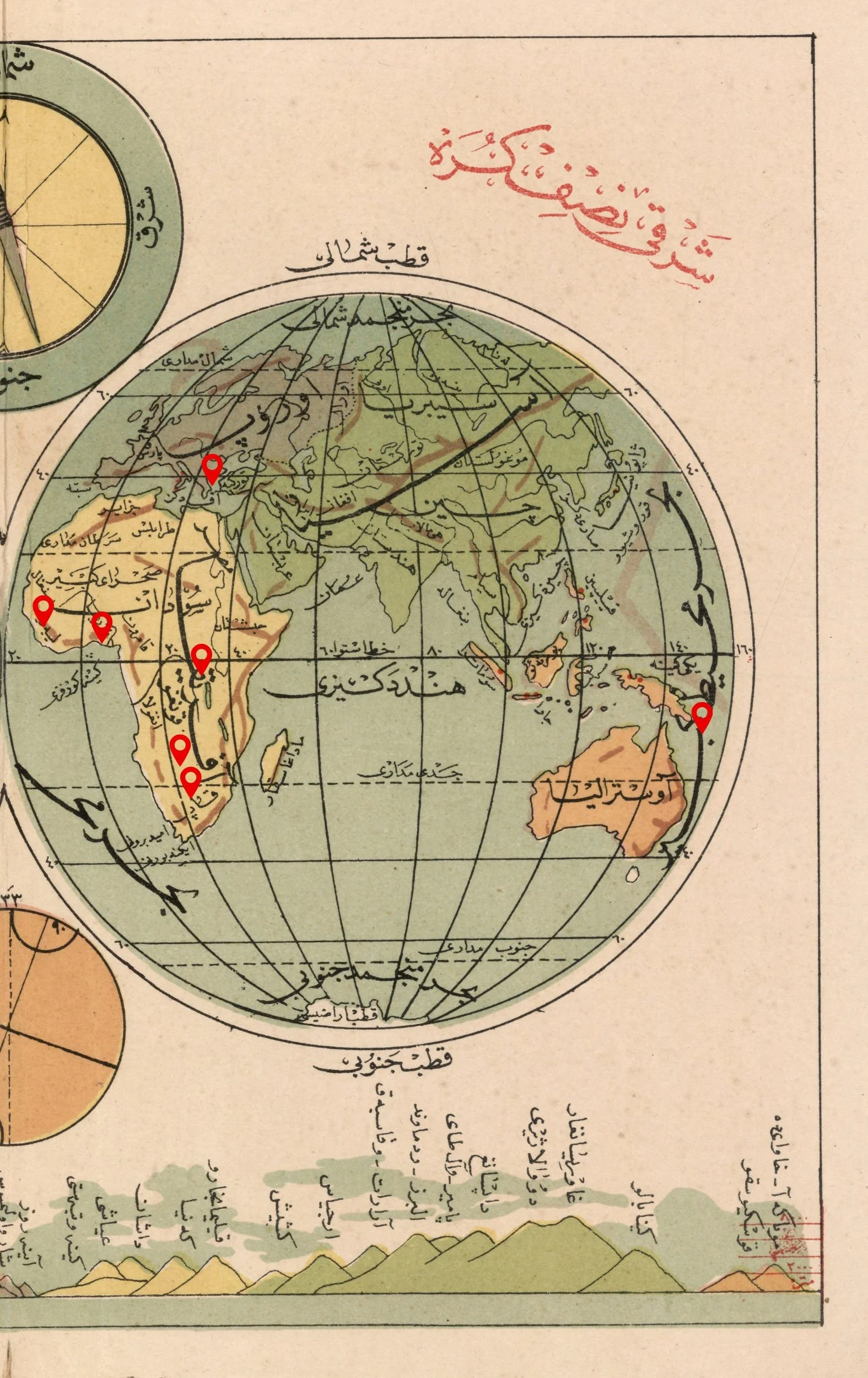
As the autumnal equinox ushers us into Libra season, we cross into territory where day and night achieve perfect balance before darkness begins its gradual ascendance. There's something that gives me chills about this celestial moment of equilibrium, how it offers insight into the liberation movements that unfolded during these weeks across different decades. Each movement seems to demonstrate the sophisticated political maneuvering that I've come to recognize as quintessentially Libran.
Unlike the fiery declarations of Aries or the methodical institution-building of Virgo, Libra season liberations reveal revolution as an art of persuasion. These independence movements succeeded not through brute force but through the delicate orchestration of competing interests, the careful cultivation of international relationships, and the strategic deployment of aesthetic and moral appeals that made their causes irresistible to both domestic and foreign audiences.
This reminds me of Libra's deeper astrological nature as the masculine expression of Venusian energy. While Taurus embodies Venus through sensual abundance and material pleasure, Libra appears to channel Venus through the architecture of agreement, wielding social dynamics to create outcomes that feel harmonious while serving specific political ends. It's Venus as diplomat rather than lover, Venus as the master of persuasive thought who understands that the most effective power might operate through consensus rather than coercion.
The seven nations that achieved independence during Libra season each seem to demonstrate a sophisticated understanding of liberation as a fundamentally relational process. One that requires balancing personal national interests with the complex web of international politics that would determine their long-term survival.
Botswana: The Art of Mineral Diplomacy
September 30, 1966
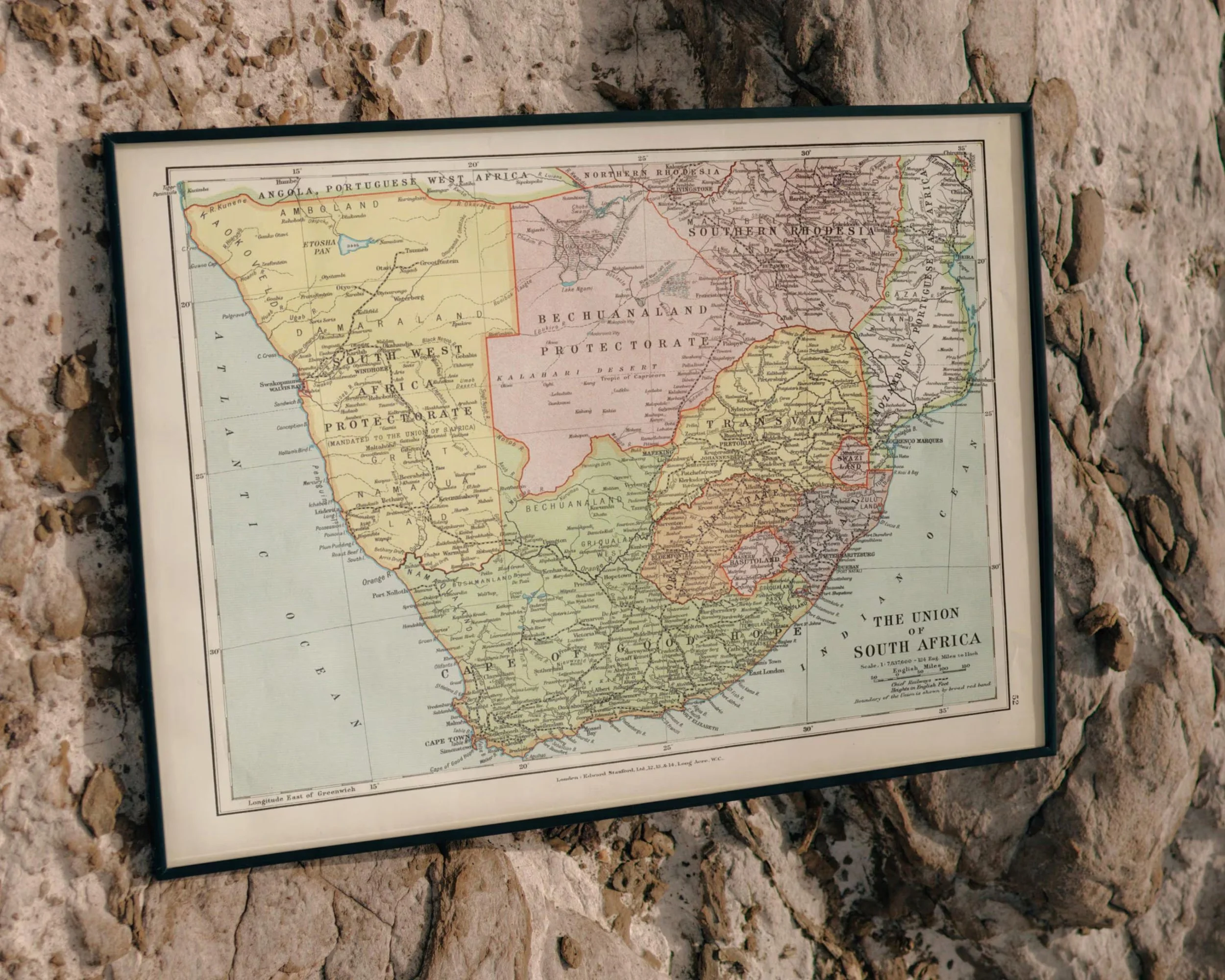
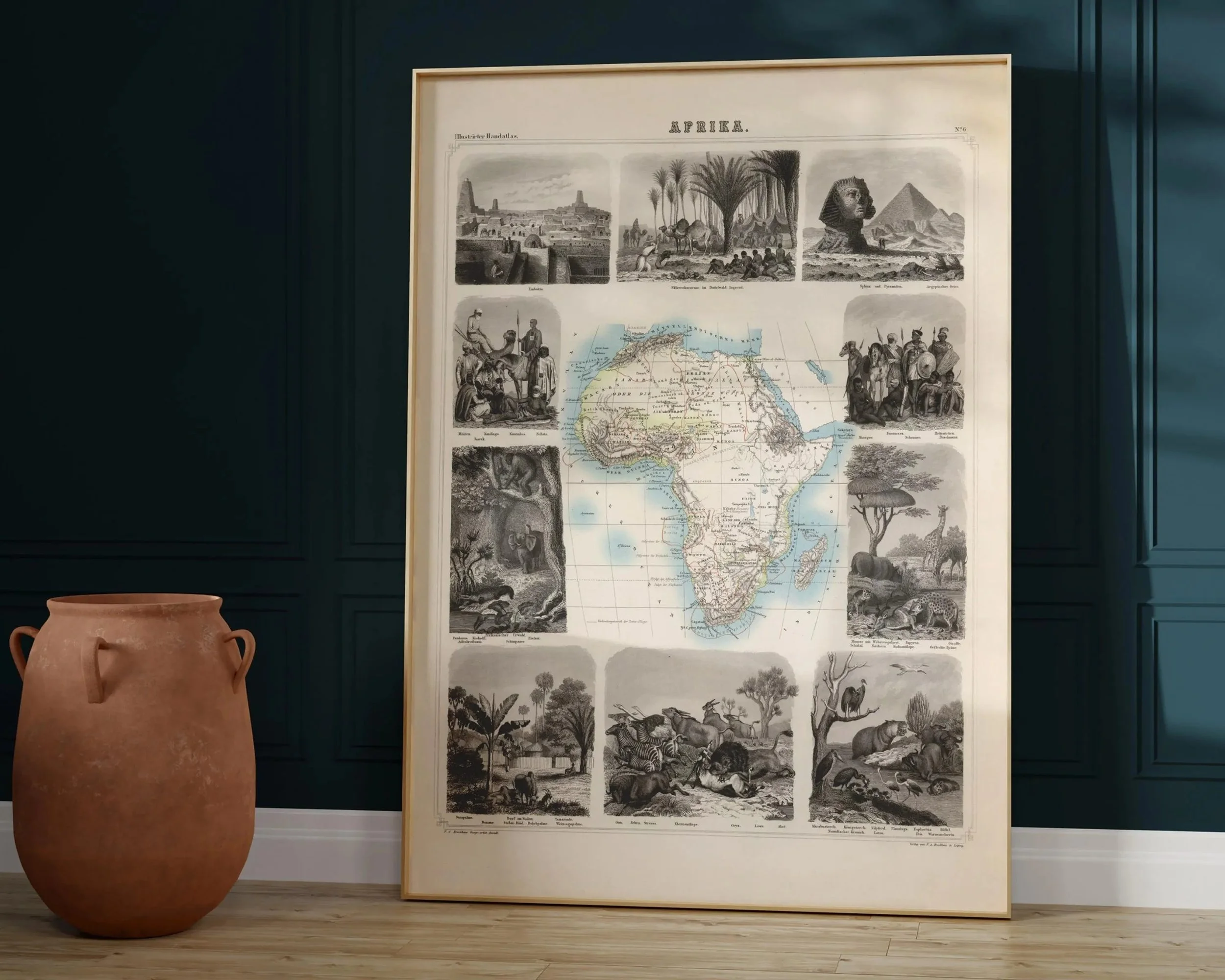
1926 Map of South African countries, in pink we see landlocked Botswana.
Botswana's path to independence exemplifies Libra's gift for transforming apparent disadvantages into strategic assets. Surrounded by hostile apartheid regimes and Portuguese colonies, the Bechuanaland Protectorate seemed unlikely to achieve successful sovereignty. Yet under the leadership of Seretse Khama, the independence movement demonstrated masterful diplomatic balance.
The most effective liberation movements understand that freedom requires both moral authority and practical leverage.
Khama's approach involved cultivating relationships with both African liberation movements and Western powers simultaneously, positioning Botswana as a stable alternative to the racial extremism surrounding it. The discovery of diamond deposits just before independence provided crucial economic foundation, but it was the diplomatic finesse with which these resources were negotiated that ensured national control rather than foreign extraction.
The Botswana National Archives document how Khama's government balanced traditional kgotla (village assembly) decision-making with modern parliamentary structures, creating a hybrid system that honored indigenous governance while satisfying international legitimacy requirements. This integration demonstrates Libra's capacity for synthesis, finding the equilibrium point between competing systems rather than choosing sides.
Nigeria: Federation as Revolutionary Strategy
October 1, 1960
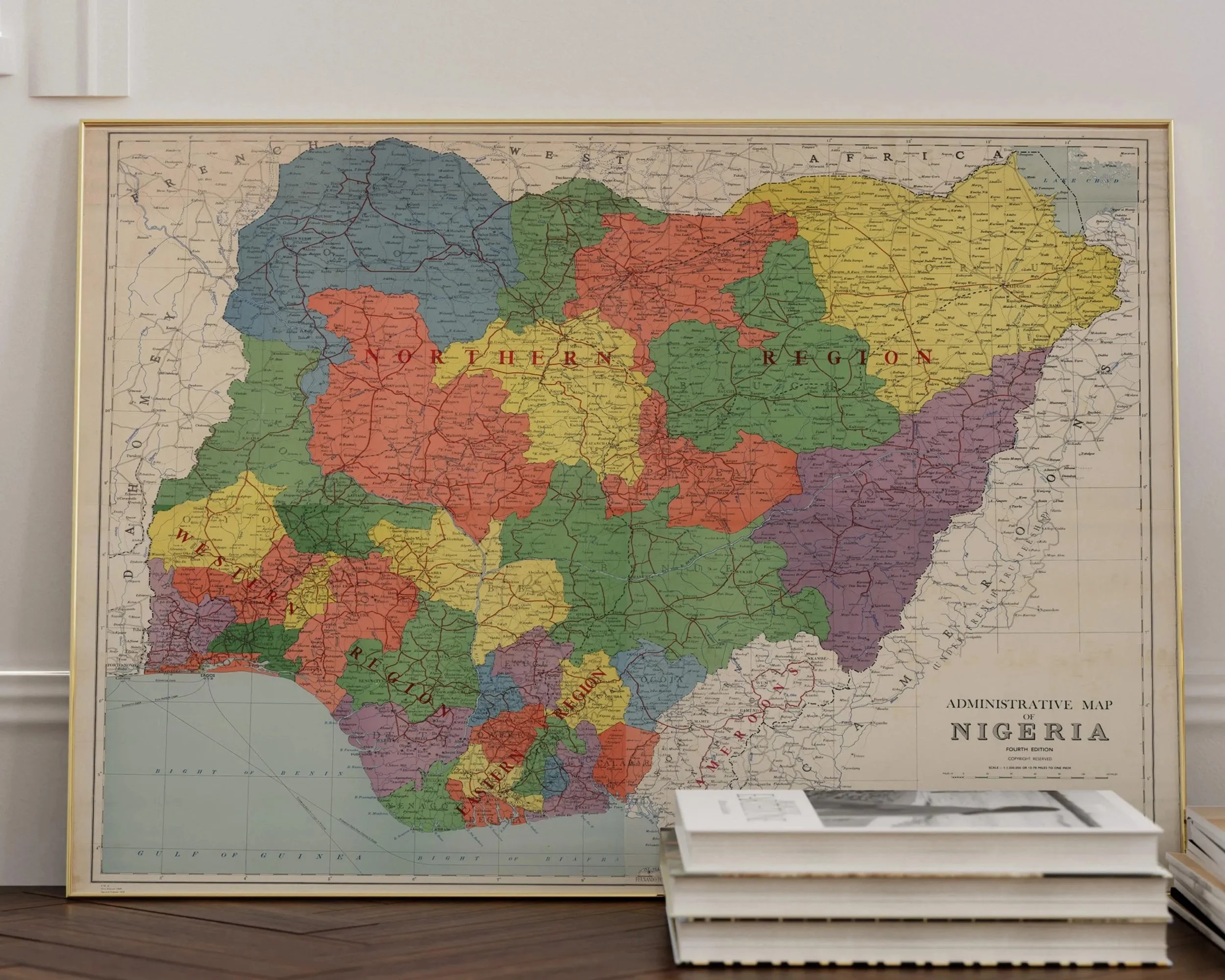
Nigeria's independence represents perhaps the most complex balancing act in modern African liberation history. With over 250 ethnic groups and competing religious traditions, creating unity without erasure became the central challenge of the independence movement.
The Nigerian National Archives reveal how leaders like Nnamdi Azikiwe and Obafemi Awolowo navigated the intricate process of federal constitution-making, ensuring that independence wouldn't simply replace British rule with internal domination. The constitutional conferences of the 1950s demonstrate classic Libran negotiation, with each major group receiving sufficient autonomy to maintain cultural integrity while contributing to national cohesion.
What makes Nigeria's liberation particularly instructive is how the movement succeeded despite fundamental disagreements about the nation's future direction. Rather than resolving these contradictions, the independence framework created space for ongoing negotiation, understanding that some tensions are better managed than solved.
This approach proved both Nigeria's greatest strength and its ongoing challenge, but the achievement of peaceful independence for Africa's most populous nation required exactly this kind of diplomatic sophistication.
Guinea: The Aesthetics of Refusal
October 2, 1958
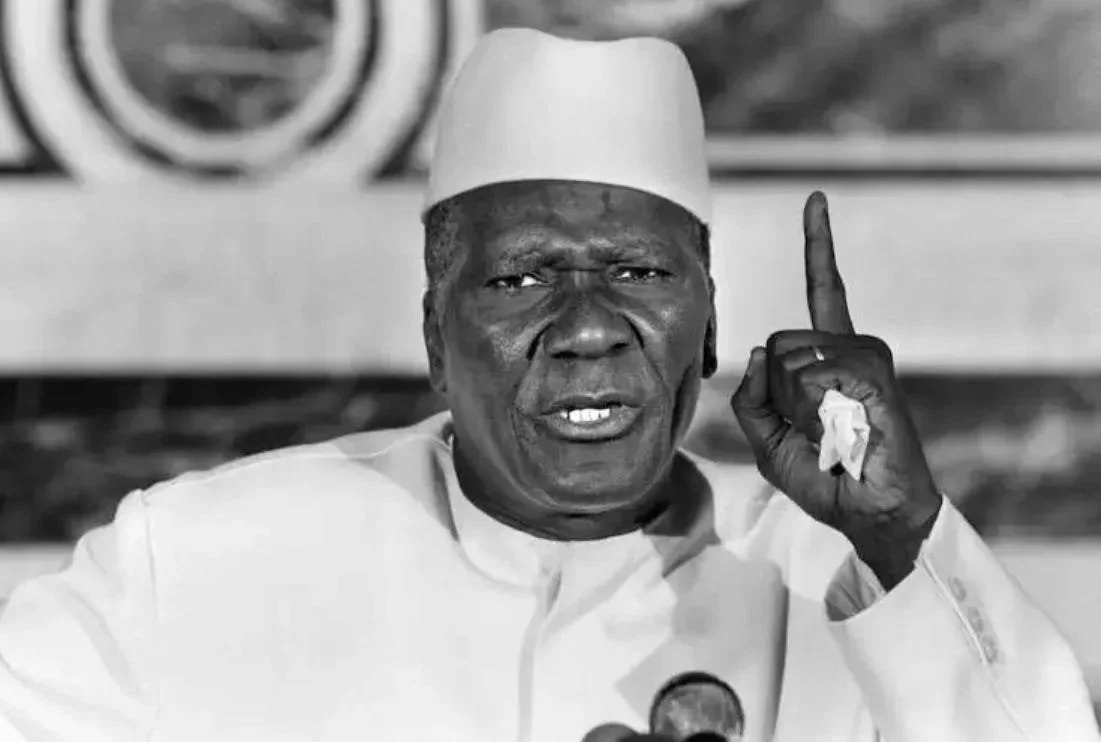
Sékou Touré's famous response to Charles de Gaulle's referendum offer reveals Libra energy operating through decisive moral clarity. When presented with continued French association or immediate independence, Touré's "We prefer poverty in freedom to riches in slavery" became one of liberation history's most aesthetically powerful moments.
The Archives Nationales de Guinée document how this dramatic refusal was actually the culmination of years of careful political preparation. Touré's Parti Démocratique de Guinée had spent the 1950s building both popular support and international connections, ensuring that the moment of rejection would land with maximum impact.
What appears as spontaneous moral courage was actually strategic theater, demonstrating Libra's understanding that liberation movements succeed when they capture the imagination as much as the territory. The aesthetic dimension of Touré's refusal inspired independence movements across Africa while simultaneously attracting support from both Soviet and non-aligned nations seeking alternatives to French neocolonialism.
Guinea's immediate challenges following independence reveal the costs of such dramatic gestures, but the moral authority gained through this aesthetic choice provided diplomatic capital that sustained the nation through its difficult early years.
Cyprus: Balancing Between Giants
October 1, 1960
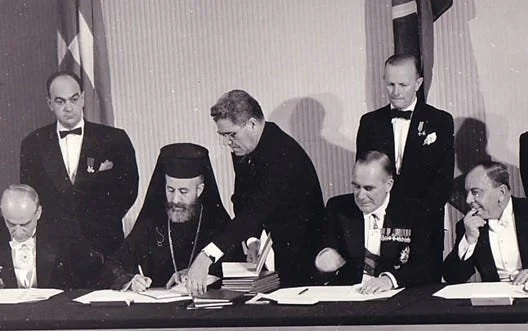
The signing of the Independence Agreement.
Cyprus achieved independence through one of the most complex diplomatic arrangements in modern history, satisfying Greek Cypriot aspirations for enosis (union with Greece), Turkish Cypriot fears of minority status, and British strategic requirements simultaneously. The Zurich-London Agreements created independence through creative constitutional architecture rather than military victory.
The Cyprus State Archives document how Archbishop Makarios transformed himself from religious leader to sophisticated international diplomat, building relationships with both Eastern and Western powers while maintaining credibility with the anti-colonial movement. This balancing act required constant recalibration, understanding that Cyprus's survival depended on making itself valuable to multiple competing interests.
The constitutional framework that emerged, with its elaborate power-sharing mechanisms and international guarantees, demonstrates Libra's approach to intractable conflicts. Rather than resolving fundamental disagreements between communities, the independence structure created institutions for managing those disagreements peacefully.
While this arrangement would later face serious challenges, the achievement of independence for such a strategically contested territory required exactly this kind of diplomatic creativity.
Uganda: The Crown Colony's Elegant Exit
October 9, 1962
Uganda's path to independence reveals how traditional authority structures could be integrated with modern nationalism through careful diplomatic negotiation. The restoration of the Kabaka (King) of Buganda and the federal constitution that balanced traditional kingdoms with democratic governance required extraordinary political finesse.
The Uganda National Archives show how Milton Obote's coalition building brought together kingdoms, ethnic groups, and political parties with fundamentally different visions of Uganda's future. The independence constitution created space for monarchical, federal, and democratic traditions to coexist rather than forcing a choice between them.
This achievement demonstrates Libra's capacity for institutional creativity, designing structures that honor multiple legitimate interests simultaneously. The careful balance between Buganda's special status and national unity, between traditional authority and democratic representation, required the kind of aesthetic sensibility that makes complex arrangements feel natural rather than forced.
Fiji: Pacific Diplomacy and Racial Balance
October 10, 1970
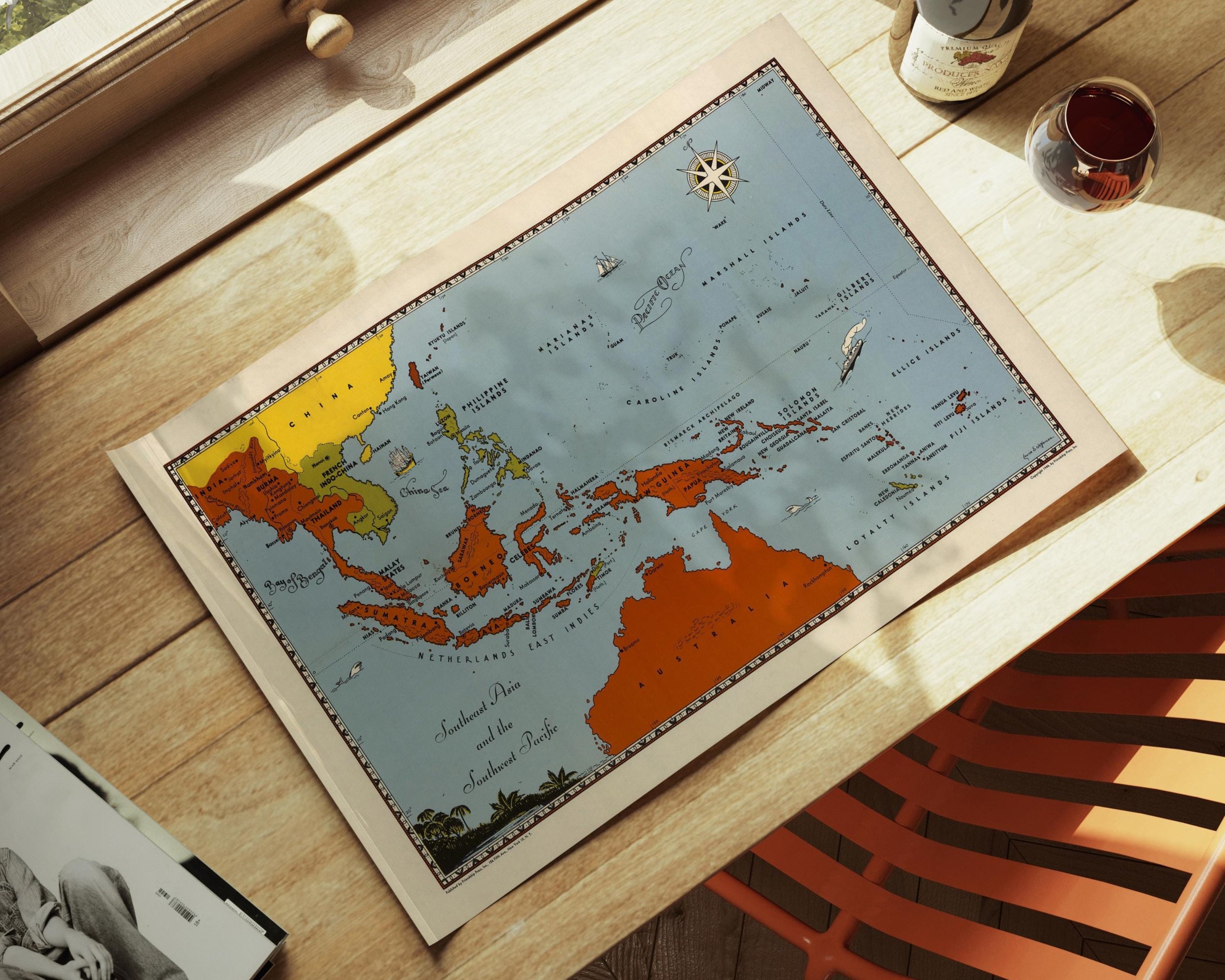
Fiji's independence required navigating the complex demographics created by colonial labor policies that brought Indian workers to serve European plantation interests. By independence, the indigenous Fijian and Indo-Fijian populations were roughly equal, creating a situation where neither group could dominate without excluding the other.
The Fiji National Archives document how Ratu Sir Kamisese Mara's Alliance Party created a multi-racial coalition that offered both communities sufficient representation to make independence preferable to continued colonial rule. The constitutional framework balanced indigenous land rights with immigrant political rights, creating a structure that both communities could accept if not entirely embrace.
This required the kind of aesthetic judgment that characterizes mature Libran energy, understanding that successful agreements often require all parties to accept less than their maximum demands in service of a larger harmony. The independence celebrations deliberately showcased Fiji's cultural diversity as a national strength rather than a problem to be solved.
Zambia: Copper Diplomacy and Regional Balance
October 24, 1964
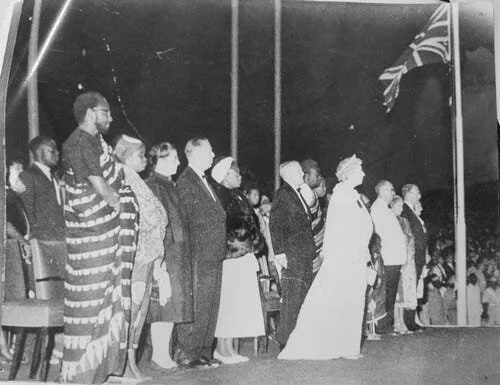
Zambia's independence demonstrates how resource wealth can become a diplomatic asset when managed with Libran sophistication. Kenneth Kaunda's United National Independence Party (UNIP) leveraged the territory's copper wealth to build international support while using non-violent resistance to maintain moral authority.
The National Archives of Zambia reveal how Kaunda positioned Zambia as a crucial ally for both Western mining interests and African liberation movements. The independence negotiations balanced economic continuity with political transformation, ensuring that copper revenues would fund national development rather than continuing colonial extraction.
Kaunda's philosophy of "humanism" provided an ideological framework that appealed to both domestic audiences seeking African identity and international observers concerned about Cold War alignment. This careful balancing allowed Zambia to become a crucial supporter of liberation movements in Southern Africa while maintaining the international relationships necessary for economic development.
The aesthetic dimension of Kaunda's leadership, including his distinctive style of personal diplomacy and moral rhetoric, created space for Zambia to punch above its weight diplomatically despite being a landlocked nation dependent on hostile neighbors for access to international markets.
The Architecture of Autumn
These seven liberation stories reveal autumn's deeper wisdom about the relationship between balance and power. As the season transitions from light toward darkness, these movements demonstrate that effective liberation requires understanding the delicate ecology of competing interests rather than simply overwhelming opposition through force.
Each of these independence achievements required leaders who could function as aesthetic architects, creating political arrangements that felt harmonious even while serving specific national interests. They understood that lasting freedom emerges through the patient cultivation of relationships, the strategic deployment of moral authority, and the creative design of institutions that make cooperation more attractive than conflict.
This Libran approach to liberation continues to offer wisdom for contemporary movements seeking transformation without destruction, understanding that the most durable changes often come through the artful orchestration of consensus rather than the dramatic gesture of refusal. As we move deeper into autumn's embrace, these stories remind us that balance is not passivity but the active creation of sustainable harmony within complex and ever-shifting circumstances.
This exploration continues our series examining liberation movements through cosmic territories. Each independence story featured here is represented in the Tarru Nadi map collection, offering visual context for these diplomatic transformations. For those interested in the intersection of astrology and political strategy, next month we'll explore Scorpio season's underground resistance networks and transformative revolutionary approaches. Check out Virgo Season’s Deliberate Liberation Stories.